Wireless environmental sensors
Reliable, continuous monitoring of temperature, humidity and door status across fridges, freezers, cold rooms, warehouses and transport environments.
Learn more → Talk to our team
 SMART Cold Chain IQ connects your temperature-sensitive environments to real-time monitoring, intelligent alerts and audit-ready reporting—so your team can act before risk becomes loss.
From the moment a sensor reads temperature, humidity or door status to the instant your team receives an alert, SMART Cold Chain IQ keeps every critical condition visible and actionable.
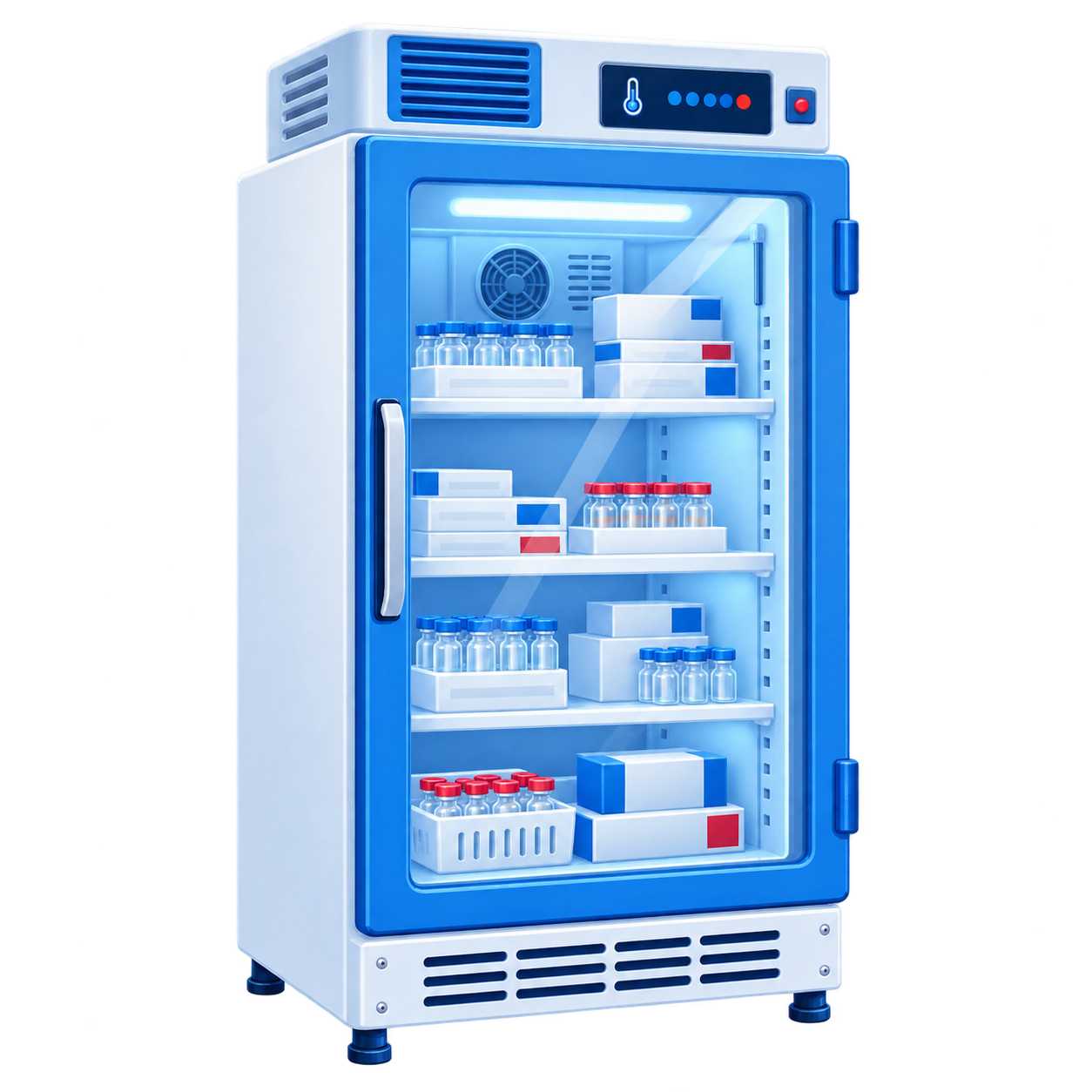
See how one changing condition becomes an actionable alert and a complete, time-stamped compliance record—without waiting for the next manual check.
Humidity 58% RHTarget 2–8°C
Continuous readings establish a reliable operating baseline.
From the sensor in the cold room to the report in your inbox, every part of the solution works together to protect product integrity and simplify operations.
Reliable, continuous monitoring of temperature, humidity and door status across fridges, freezers, cold rooms, warehouses and transport environments.
Learn more →A secure, central view of every monitored location, with live status, trends and device health in one place.
Learn more →Escalated notifications help your team respond to temperature excursions, humidity deviations, open doors and connectivity issues sooner.
Learn more →Clear, audit-ready records and temperature reports that replace manual logs and simplify evidence gathering.
Learn more →SMART SnapCal IQ manages the complete calibration lifecycle. Before a probe expires, a SANAS-calibrated replacement is prepared and exchanged on site—keeping the sensor online, the cold chain protected and every certificate under control.
Discuss SMART SnapCal IQUnplug. Replace. Continue monitoring—with no calibration downtime.
Upcoming calibration is identified before expiry.
A calibrated replacement sensor is prepared.
The device is swapped with minimal monitoring downtime.
Returned equipment follows the approved process.
Traceable records remain ready for every audit.
The new probe is live, the SANAS certificate is stored and the full calibration event is ready for audit.
Technology only creates value when it is correctly specified, installed, calibrated and supported. Our team stays involved from the first site assessment through ongoing optimisation and calibration management.
Discuss your requirementsWe map your critical control points, risk areas and reporting needs.
Correct sensor placement, gateway setup and system commissioning.
Practical rules aligned with your teams, thresholds and response processes.
Device health, platform support and insight that keeps your system useful.
A complete managed calibration service with SANAS-calibrated replacement probes and zero monitoring downtime.
Professional mapping studies that identify hot and cold spots and deliver clear, audit-ready evidence.
SMART Cold Chain IQ adapts to the operational realities of regulated, temperature-sensitive industries—from a single critical fridge to a multi-site network.

SMART supported Life Healthcare with the rollout of continuous temperature monitoring across pharmacy fridges and dispensing areas throughout its hospital network. Following the success of the initial deployment, monitoring expanded into oncology, operating theatres and renal units.
Different industries carry different risks, but the requirement is consistent: know what happened, respond early and retain evidence that stands up to operational and quality review.
Medicines, vaccines and biologics can lose stability, efficacy or usable shelf life when approved storage conditions are breached.
Continuous records, real-time alarms and excursion evidence help quality teams investigate quickly and protect product integrity.
SAHPRA Good Wholesaling Practice (SAHPGL-INSP-03) and the Medicines and Related Substances framework.
View SAHPRA guidanceVaccines, medicines, blood products and laboratory materials may be clinically compromised by unnoticed temperature excursions.
Automated monitoring replaces gaps between manual checks and provides staff with early warnings, escalation and evidence for corrective action.
National Department of Health vaccine cold-chain and Effective Vaccine Management guidance; SAHPRA requirements apply to regulated health products.
View NDoH EVM guidancePoor temperature control can accelerate microbial growth, reduce shelf life and create food-safety, waste and recall exposure.
Monitoring verifies storage and process controls, flags deviations early and creates traceable records for food-safety reviews.
Foodstuffs, Cosmetics and Disinfectants Act; R638 food-premises and transport hygiene requirements; HACCP Regulations R908, where applicable.
View NDoH food regulationsBusy kitchens, cold rooms, bars and catering operations are vulnerable to door openings, equipment faults and inconsistent manual checks.
Live alerts help teams act before stock is lost, while reliable records strengthen due diligence and food-safety management.
R638 under the Foodstuffs, Cosmetics and Disinfectants Act, with HACCP requirements applying to designated or relevant operations.
View R638 on Gov.zaA single refrigeration failure can place high-value inventory across multiple chambers, racks or zones at risk.
Zone-level monitoring reveals hot spots, equipment drift and excursions, supporting faster response and defensible release decisions.
Product-specific requirements include R638 for food; PPECB cold-chain controls and the Perishable Products Export Control Act for regulated exports.
View Perishable Products Export Control ActLoading, handovers and transport create blind spots where delays, door events or refrigeration faults can break an otherwise controlled chain.
End-to-end data supports chain-of-custody, exception management, customer reporting and faster allocation of responsibility.
Depending on the cargo: SAHPRA Good Wholesaling Practice, R638 food-transport rules, and PPECB export cold-chain requirements.
View PPECB cold-chain managementRegulatory requirements depend on the product, licence, activity and market. These references are an operational overview, not legal advice; confirm the requirements applicable to your organisation.
A temperature mapping study shows how conditions vary throughout a controlled space—not only where a permanent sensor happens to be. Where relevant, humidity can be mapped alongside temperature. We use calibrated data loggers and a defined protocol to help you qualify storage areas, improve sensor placement and build defensible evidence for quality reviews.
Discuss a mapping studyIdentify temperature variation across rooms, zones, shelving and operational areas.
Verify uniformity, recovery performance and hot or cold spots under representative conditions.
Map medical, vaccine, laboratory and food fridges to support safe sensor placement and qualification.
Understand vertical and horizontal gradients across high-volume or temperature-controlled storage.
Profile cargo areas and transport routes to reveal airflow gaps, door-event impact and in-transit risk.
Multiple calibrated loggers record conditions at the same time. The visual builds a temperature profile that exposes localised hot spots, stable zones and the best positions for permanent monitoring.
Studies can include temperature and humidity profiling, empty and loaded conditions, door-opening tests, power-failure recovery, seasonal mapping and transport-route profiling—matched to your risk, operation and approved protocol.
Identify excursions early and give the right people the information to respond faster.
Maintain consistent, accessible monitoring records without relying on manual checks.
See every site, asset and alert from one clear operational view.
Tell us what you need to monitor. SMART Cold Chain IQ will create a preliminary sensor, connectivity and gateway recommendation.
Tell us about your sites, assets and monitoring challenges. We’ll help you identify the right solution.